0.00/0.00
load high quality audio
Transcript ⇒
Strange Kinships: Third chapter - Vocalisations
Usually there are many pigeons around here. You can use this moment to observe them in their habitat and try out how close you can come without disturbing them.
“We’re looking for a pigeon that shrieks and chatters and clucks.”
Most of the team’s research on pigeon vocalisations focused solely on those of the Passenger pigeon. However, this distinct species was already dying out by then, and the last known Passenger Pigeon – named Martha – died in captivity in 1914.
In addition to their writings, the team left behind musical notation of certain vocalisations, as well as tape recordings. Due to the degradation of the tapes over time, it is challenging to determine whether the audio we hear is a recording of an actual pigeon, or of a human imitating their vocalisations.
22nd of April 1867, The Keck
“The word is an onomatopoeia. The first k should be aspirated like the German ch, to represent the unmusical quality of the cry. The sound is loud, sometimes very loud, harsh, and rather high-pitched (b above the treble staff) so far as it can be said to have any pitch at all. It is generally given singly, but sometimes two or more in succession with but short pause between.”
“Keck.
Keck.
Keck keck.
Keck-keck.”
“The keck resembles the kah-of-excitement also in that it is often followed immediately by other notes, such as the coo.”
Scolding, chattering, clucking
These are characteristic utterances of the passenger pigeon.They resemble the monosyllables
kee-kee-kee-kee and are otherwise also described as:
Chattering
Twittering
Chirping
Tet! Tet! Tet!
A sound resembling the croaking of wood-frogs.
“In expressing high excitement, it becomes loud and high-pitched, and in the excitement of fighting especially it becomes very rapid. In a gentle mood, it subsides into a soft, low-pitched adagio. Although the tone is never musical, the cry is highly expressive.”
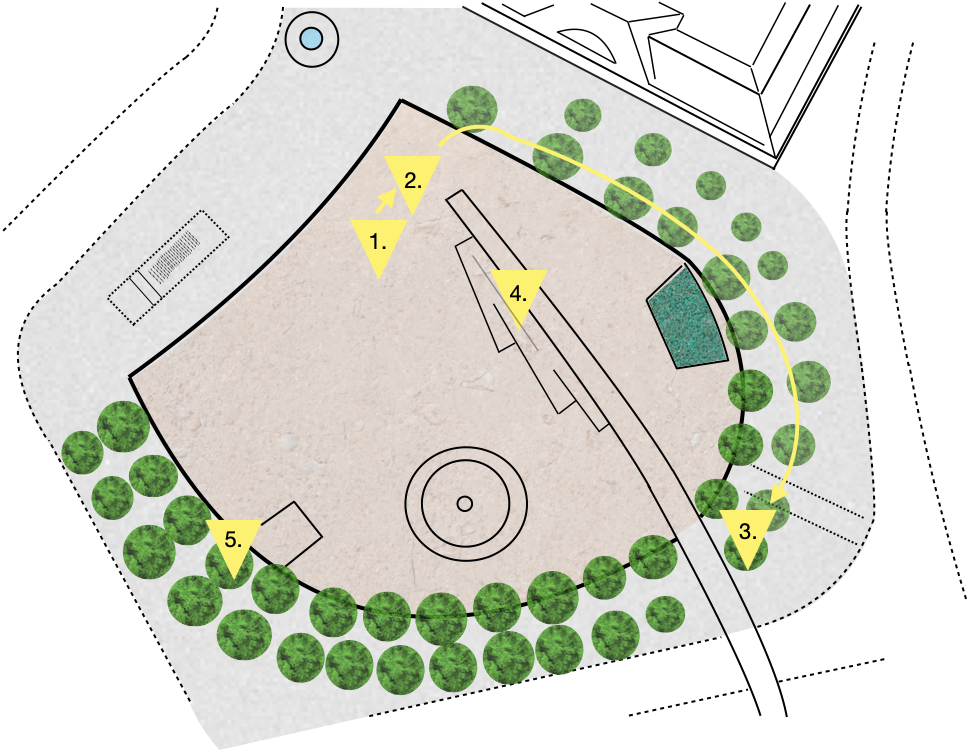
End of Third Chapter. You can now move to position 4 on the map, the platform of the ‘Zacke’.